31 Jul 2026
Self-Regulation Tools Embedded in Mobile Table Game Variants and Promotional Cycles
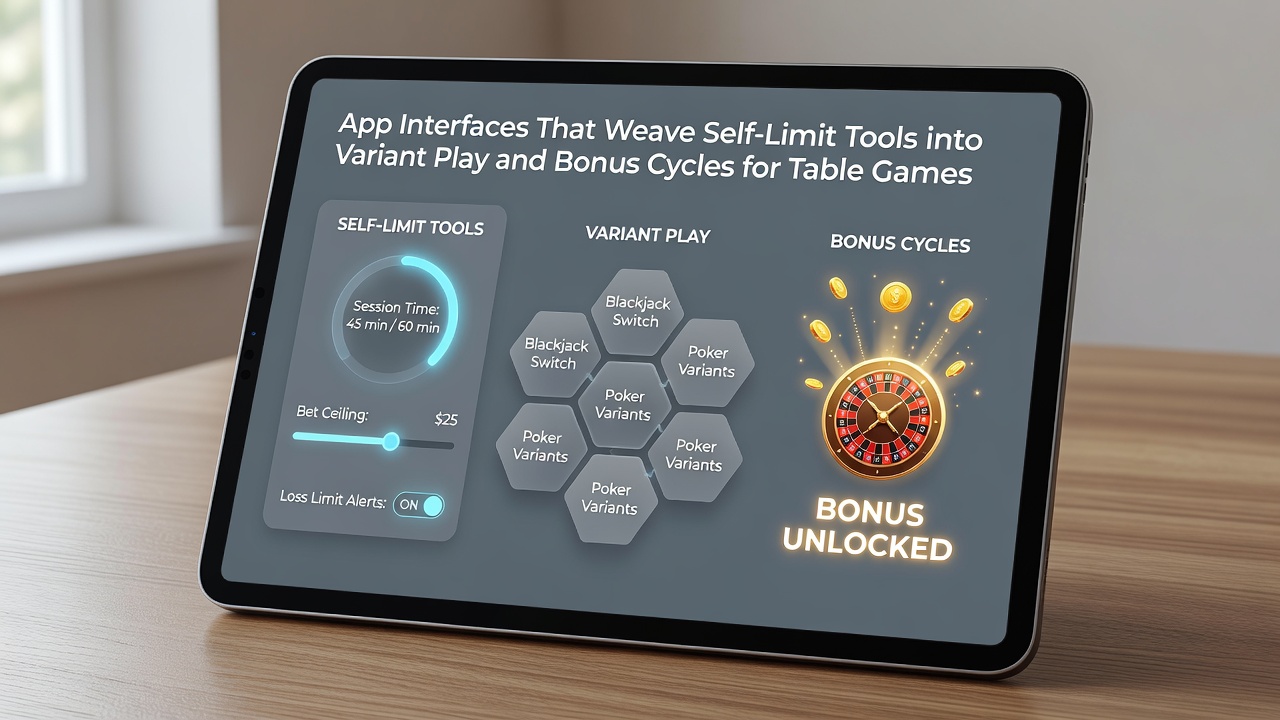
App developers now build self-limit options directly into the core flow of table game variants and bonus structures rather than treating them as separate menu items. Players encounter deposit caps, session timers, and loss thresholds while selecting roulette wheel types or blackjack rule sets, and those same controls adjust automatically when bonus rounds activate. Data from industry reports shows these designs appear across multiple jurisdictions because regulators require clear access to limit settings during active play.
Interface Layouts That Connect Limits to Game Selection
Design teams arrange limit toggles alongside variant menus so users set boundaries before choosing between European roulette, American roulette, or multi-hand blackjack formats. The layout displays current spend against the chosen limit in real time, and the system pauses play prompts when thresholds near. Observers note that this placement reduces the steps required to adjust limits mid-session, which aligns with accessibility guidelines issued by several gaming authorities.
Bonus cycles receive the same treatment. When a player activates a free spin or cashback offer tied to table games, the interface overlays the active limit status on the bonus meter. If the limit would end before the bonus completes, the app displays remaining time or funds alongside the wagering progress bar. This integration appears in updates rolled out during July 2026 across several major platforms.
Variant Play and Automatic Limit Adjustments
Table game variants differ in volatility and speed, which affects how limits interact with play. Faster variants such as speed blackjack trigger quicker updates to session timers, while slower progressive roulette versions extend the visible countdown across multiple spins. Developers program these responses so the same limit value applies consistently yet displays context-specific warnings. Research from academic studies on digital gambling interfaces indicates that context-aware alerts correlate with higher compliance rates among users who set initial limits.
Some applications link variant choice to suggested limit profiles. A user selecting high-volatility blackjack side bets sees a prompt recommending tighter loss limits, while standard roulette selections carry default session durations based on historical session data. These suggestions remain optional and users retain full control over final settings.
Bonus Cycles That Respect Pre-Set Boundaries
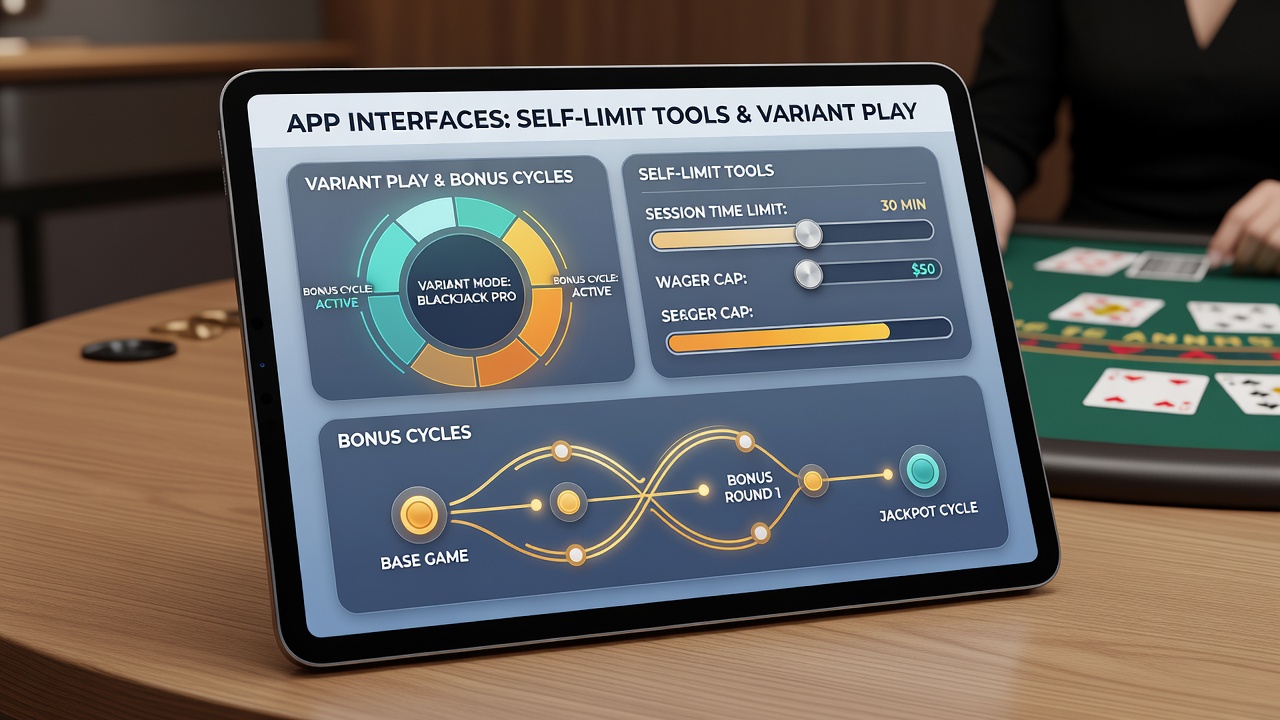
Promotional cycles now check limit status before crediting rewards. When a bonus activates, the platform verifies remaining deposit room or time allowance and either scales the reward proportionally or defers part of it until the next cycle. This prevents situations where bonus play would automatically breach a player-chosen cap. Figures from the Australian Gambling Research Centre reveal similar mechanisms in licensed operators, where bonus forfeiture rates due to limit conflicts have declined after such checks were introduced.
Stake limits tied to bonuses also sync with overall account limits. If a player sets a daily loss threshold, the maximum stake available during bonus rounds adjusts downward once the threshold approaches. The adjustment occurs without interrupting the game flow, maintaining continuity while enforcing the original boundary.
Regulatory and Technical Implementation Patterns
Regulators in multiple regions require that limit changes take effect immediately rather than after a cooling period in certain cases. Technical standards from bodies such as the National Council on Problem Gambling emphasize real-time enforcement across all game types, including table game sections. Platforms achieve this through backend flags that update the game client within seconds of any limit modification.
July 2026 saw several operators publish interface audits confirming that self-limit tools appear within two taps from any table game screen. These audits also verified that bonus terms explicitly state how limits interact with wagering requirements, reducing ambiguity for users who combine variant play with promotional offers.
Future Development Directions Observed in Current Deployments
Additional features under testing include predictive limit suggestions based on recent play patterns and cross-game limit sharing that covers both table games and slots within one profile. Early deployments show these tools maintain separate tracking for table game sessions while still respecting the overarching account limit. Industry organizations such as the Australian Gambling Research Centre continue to monitor adoption rates and player feedback on these combined systems.
Conclusion
App interfaces increasingly treat self-limit tools as core components of variant selection and bonus management rather than optional add-ons. This approach ensures that players who set boundaries encounter consistent enforcement across different table game formats and promotional structures. Technical implementations continue to evolve, with updates in July 2026 demonstrating tighter integration between limit displays and active play elements. Data from regulatory and research sources indicates these designs support compliance without altering the fundamental mechanics of the games themselves.