30 Jun 2026
Digital Casino Dynamics: Examining How Bettors Navigate Strategies and Personal Limits Online

Digital casino environments have generated detailed records of how participants approach wagering over extended periods, and researchers continue to analyze those records for recurring sequences. Data collected through platform analytics reveal that many users begin sessions with fixed stake amounts yet adjust those amounts based on immediate outcomes, while a subset maintains rigid parameters regardless of short-term results. Studies conducted across multiple jurisdictions show these adjustments often cluster around specific times of day, with evening hours producing higher average bet sizes compared to daytime activity according to aggregated operator reports.
Recurring Wagering Sequences in Virtual Platforms
Observers note that progressive betting sequences appear frequently among participants who track prior rounds, and such sequences tend to follow either incremental increases after wins or rapid decreases after losses. Platform logs from 2025 indicate that roughly 35 percent of active accounts employed some form of multiplier adjustment within their first ten sessions, while the remaining accounts displayed more static patterns. These figures come from anonymized datasets shared by operators with academic partners, and they align with findings published in the Journal of Gambling Studies that examined North American and European user cohorts separately.
What's interesting is how session length correlates with stake variability; longer sessions often coincide with smaller incremental changes, whereas brief sessions show sharper spikes at the outset. Researchers at the University of Sydney's Gambling Treatment and Research Clinic documented this pattern through voluntary participant tracking apps that recorded both bet amounts and elapsed time without requiring self-reported data.
Self-Regulation Features and Actual Usage Rates
Most licensed platforms now embed deposit caps, time reminders, and reality-check prompts directly into account dashboards, yet uptake varies widely across regions. Canadian provincial data released in early 2026 showed that users who activated at least one limit tool reduced their average monthly deposits by 22 percent over a six-month window, while those who declined the prompts maintained prior spending levels. Similar measurements from the Australian Gambling Research Centre, covering operators licensed under state frameworks, found that pop-up frequency influenced compliance more than the presence of the tool itself.
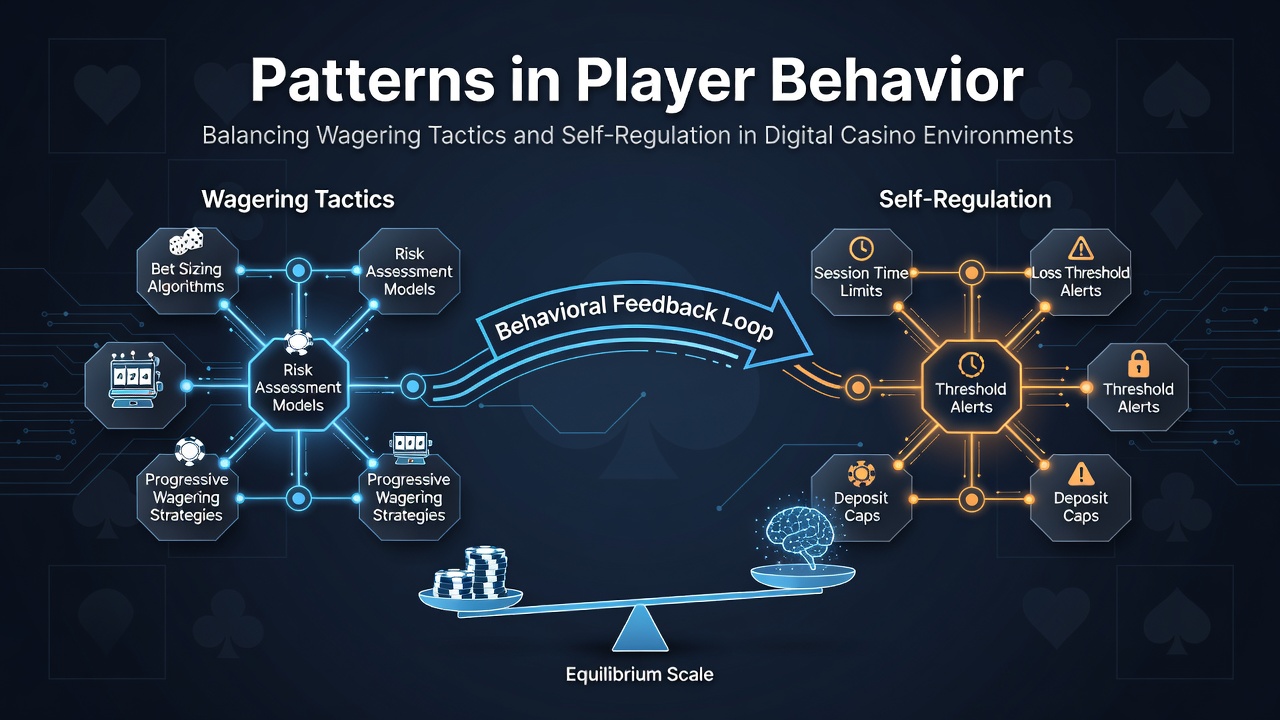
Take one cohort examined by the National Center for Responsible Gaming in the United States, where participants who set weekly loss thresholds demonstrated steadier engagement across months compared with those relying solely on voluntary breaks. The same dataset revealed that automated reminders triggered at 60-minute intervals produced higher rates of session termination than those appearing at 30-minute marks, suggesting an optimal interval exists for prompting reflection without causing immediate disengagement.
June 2026 Data Releases and Emerging Indicators
Reports issued during June 2026 from multiple operators highlighted a modest uptick in limit-setting activity following the introduction of simplified menu options within mobile applications. One large European operator recorded a 14 percent rise in users activating spending caps during that month alone, coinciding with updates that placed the controls on the main navigation bar rather than within secondary menus. These shifts occurred without corresponding changes in overall account creation numbers, indicating the increase stemmed from existing participants rather than new entrants.
Those who've examined cross-platform comparisons note that integration with banking apps has further influenced behavior, because instant visibility of transfer totals encourages earlier application of caps. A collaborative study between the University of Nevada and several state-licensed operators confirmed that participants who linked external financial accounts adjusted their wagering patterns within two weeks of activation more frequently than those using standalone casino wallets.
Interaction Between Tactics and Oversight Mechanisms
Evidence suggests that players who combine structured betting approaches with active limit tools maintain longer intervals between sessions on average. Platform telemetry shows these combined users log fewer consecutive days of play, and their total wagered amounts stabilize rather than escalate over quarterly periods. Industry associations such as the European Gaming and Betting Association have compiled anonymized benchmarks that support this observation across multiple member operators, although individual results continue to vary by game category and device type.
Yet the same datasets indicate that some participants override their own preset limits when promotional credits appear, creating temporary deviations from established patterns. Such overrides occur more often during promotional windows tied to sporting events or seasonal campaigns, according to operator summaries shared with regulatory partners outside the United Kingdom. Researchers continue to track whether these temporary spikes lead to sustained changes or revert once the promotion ends.
Conclusion
Longitudinal records from digital casino platforms demonstrate consistent clusters of wagering behavior alongside measurable responses to self-regulation tools, and recent releases from June 2026 reinforce earlier patterns while highlighting the impact of interface refinements. Continued analysis by academic and industry groups provides operators and policymakers with clearer benchmarks for evaluating how participants balance tactical choices against personal boundaries in these environments.