26 Jul 2026
Decoding Probability Structures in Digital Card and Wheel Game Versions

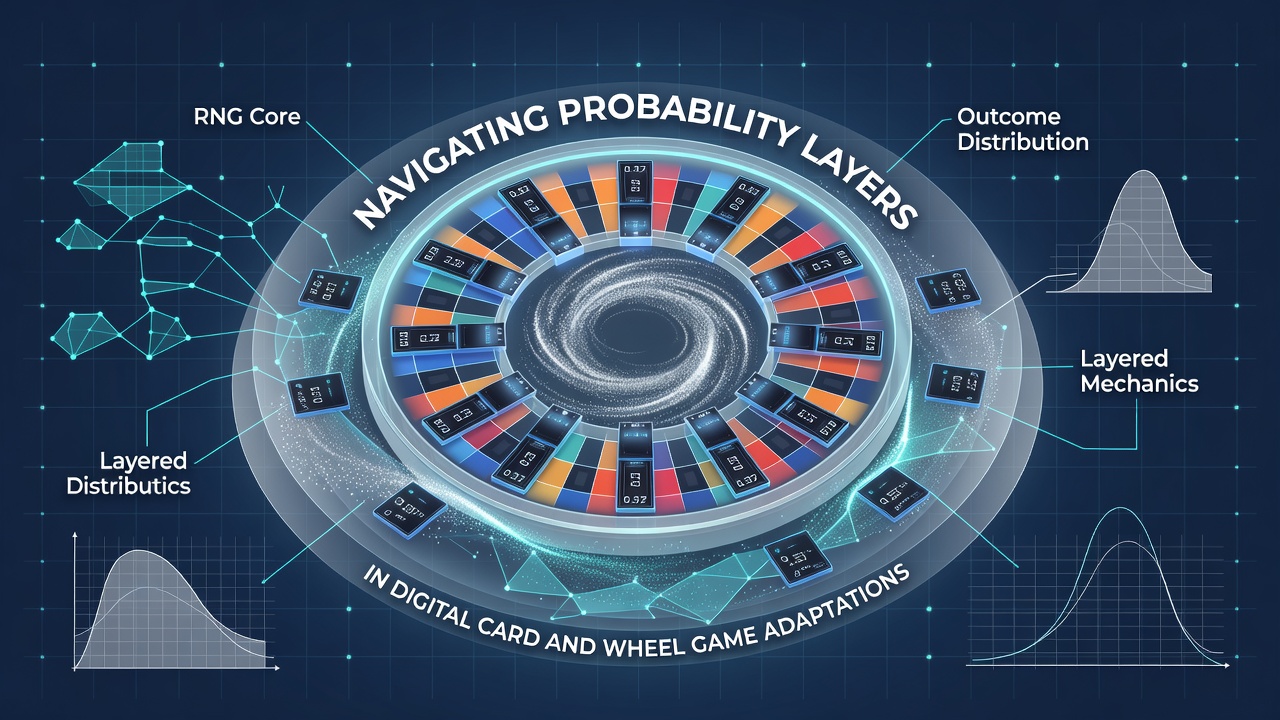
Digital adaptations of card and wheel games incorporate multiple probability layers that shape outcomes through random number generators, payout structures, and bonus mechanisms. These layers combine base game odds with additional variables introduced by software design, creating systems where players encounter conditional probabilities that differ from physical table versions. Research from academic institutions highlights how digital platforms layer random events to maintain house edges while adding features like multipliers and progressive elements.
Base Mechanics and Random Generation Layers
At the foundation, digital card games rely on algorithms that simulate shuffling and dealing, while wheel games use generators to select numbers and colors. Studies from the University of Nevada Reno demonstrate that certified random number generators produce sequences meeting statistical standards for fairness, yet these systems sit beneath further layers including virtual deck composition and wheel segment weighting. One study revealed that developers adjust these base probabilities to accommodate mobile interfaces, where touch inputs trigger events at rates calibrated for session length and engagement metrics.
Observers note that wheel adaptations often introduce segmented probability distributions, where certain sections carry weighted chances distinct from uniform physical wheels. Card adaptations meanwhile handle deck depletion through virtual tracking systems that reset or reshuffle based on programmed triggers, adding a temporal layer to probability calculations.
Bonus Features and Conditional Probability
Bonus rounds and multipliers form secondary layers that activate based on specific symbol combinations or wheel stops. These features multiply or alter base probabilities, creating pathways where overall return-to-player percentages depend on the frequency of bonus triggers. Data from industry reports shows that such layers can shift effective odds by 2 to 5 percentage points depending on game configuration, with activation rates programmed into the software rather than determined by physical constraints.
Take one developer who integrated cascading reels into card game adaptations, where successive wins build additional random events on top of initial deals. This approach compounds probability calculations, as each cascade draws from the same generator pool but applies modified payout tables. Researchers discovered that players navigating these layers benefit from understanding trigger thresholds, since bonus frequency directly influences session variance.
Regulatory Standards Across Regions
Authorities in various jurisdictions enforce testing requirements that verify each probability layer meets established criteria. The Nevada Gaming Control Board, for instance, mandates independent audits of random number generator integrity and payout verification, while Australian regulatory frameworks require documentation of how bonus features interact with core mechanics. These standards ensure that layered probabilities remain transparent and consistent, even as games evolve for digital delivery.
Figures reveal that testing protocols examine not only base odds but also the combined effects of multiple layers during extended play simulations. Developers must submit detailed probability models that account for edge cases, such as maximum multiplier combinations or rare wheel outcomes. Compliance documentation from 2026 shows continued emphasis on these evaluations as mobile platforms expand feature sets.
Adaptation Differences in July 2026 Context
By July 2026, updates to digital platforms incorporated refined probability modeling for live-streamed wheel events and virtual card tables. Software providers adjusted layer interactions to align with new device capabilities, including faster processing that allows real-time recalculation of conditional odds during bonus sequences. Industry data indicates these changes reduced discrepancies between advertised and actual return percentages in tested titles.
Those who analyze game adaptations point to increased use of dynamic weighting, where probability layers shift slightly based on player history within a session. Such adjustments stay within regulatory bounds yet add complexity that requires players to track multiple variables simultaneously. Reports from European gaming associations confirm that July implementations focused on clarifying these mechanics through in-game information panels.
Player Navigation Strategies and Data Insights
Analyses of gameplay patterns suggest that understanding layered probabilities involves breaking down each component: base event likelihood, trigger conditions for extras, and final payout scaling. University-led simulations found that separating these elements improves prediction accuracy compared to treating games as single-probability systems. External resources such as reports from the Nevada Gaming Control Board provide verification standards that detail testing methodologies for these layers.
Another useful reference comes from academic papers published through the University of Nevada Reno gaming research center, which examine variance introduced by stacked features. Observers note that digital adaptations reward systematic review of paytables and probability disclosures, since these documents outline how layers combine to produce overall outcomes.
Conclusion
Digital card and wheel game adaptations rely on interconnected probability layers that extend beyond simple random selection. Regulatory oversight, software design choices, and regional standards all influence how these layers function and interact. Data continues to show that clear documentation and independent verification remain central to maintaining consistency across platforms, particularly as features advance in 2026. Those examining these systems gain insight by isolating each layer and reviewing its contribution to the complete probability structure.