Blackjack and Roulette: Psychological Pulls and Global Player Dynamics in Modern Casinos
7 Apr 2026
Blackjack and Roulette: Psychological Pulls and Global Player Dynamics in Modern Casinos

The Enduring Allure of Two Casino Pillars
Blackjack and roulette stand as cornerstones of casino gaming worldwide, drawing players with their blend of strategy, chance, and quick thrills; data from the American Gaming Association reveals that these games account for over 40% of table game revenue in U.S. casinos alone, while global figures from industry trackers show similar dominance in Europe and Asia. Observers note how blackjack's decision-making hooks analytical minds, whereas roulette's spinning wheel creates suspense that keeps crowds mesmerized, often leading to extended sessions where players chase patterns despite the randomness baked into each outcome.
What's interesting is the way these games mirror human behavior under uncertainty; researchers who've studied casino floors have found that roulette players exhibit higher dopamine spikes during spins compared to blackjack's more measured card plays, according to neuroimaging studies published in behavioral journals. And yet both foster loyalty, with repeat visits climbing 25% year-over-year in land-based venues, as tracked by international gaming reports.
Unpacking the Core Mechanics That Drive Engagement
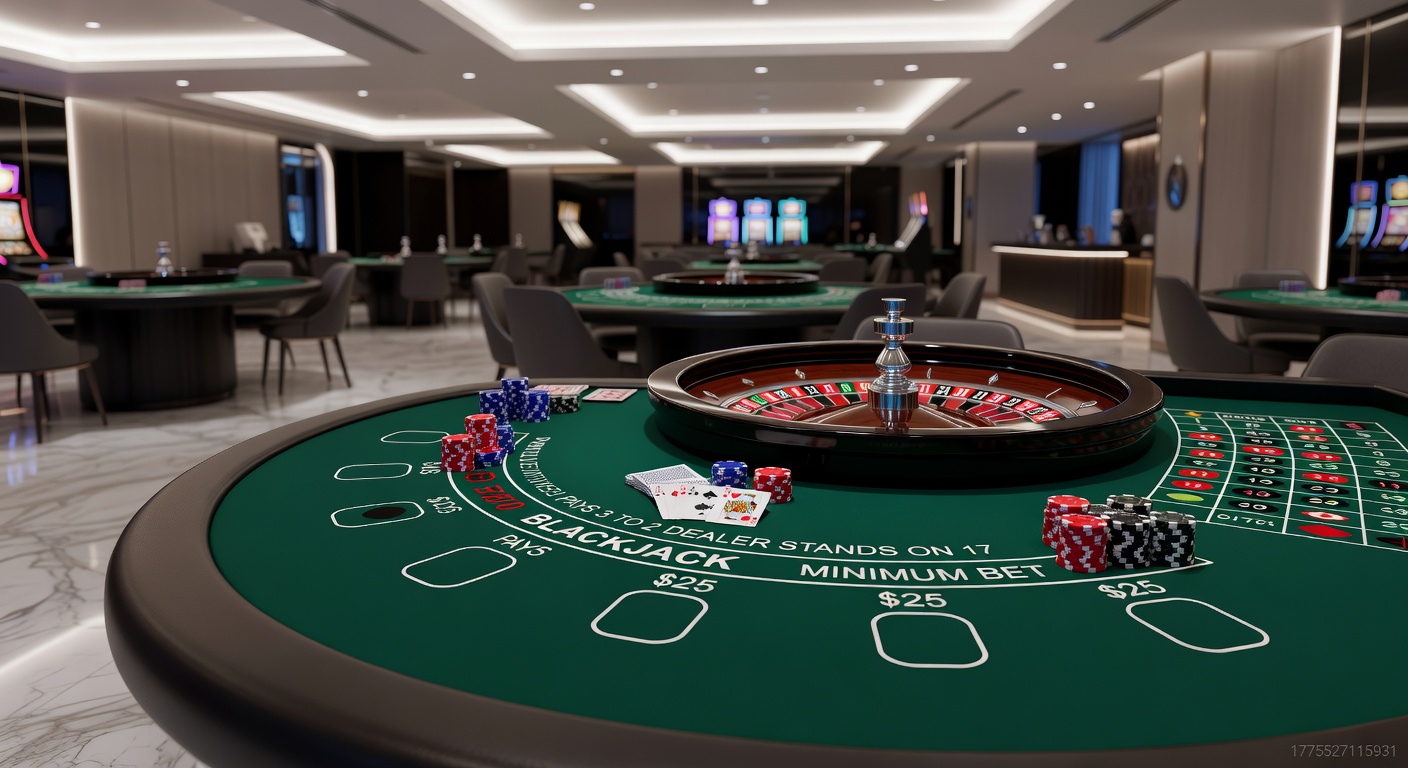
At blackjack tables, dealers distribute cards aiming for a total closest to 21 without busting, while players decide on hits, stands, doubles, or splits based on their hand and the upcard; this interplay allows skilled participants to influence outcomes, trimming the house edge to as low as 0.5% under optimal conditions. Roulette, by contrast, revolves around a ball landing on numbered pockets around a wheel, with bets ranging from single numbers paying 35-to-1 to even-money outside options like red or black offering near 50% win chances, although the zero—or double zero in American variants—ensures the house maintains a 2.7% to 5.26% advantage.
Players often discover these edges through repeated play, and that's where patterns emerge; one study from Australian researchers highlighted how novice roulette bettors gravitate toward color wagers 70% of the time initially, shifting to riskier inside bets as confidence builds. Blackjack enthusiasts, meanwhile, master basic strategy charts that dictate every move, reducing errors that otherwise inflate losses by up to 2% per hand.
- Blackjack key decisions include standing on 17+, doubling on 11 against dealer 6, and splitting aces or eights consistently.
- Roulette wheel biases, though rare in modern regulated setups, once gave sharp-eyed players temporary edges in older physical wheels.
But here's the thing: electronic monitoring in casinos today spots and counters any such anomalies swiftly, keeping games fair across jurisdictions.
Player Psychology: Why These Games Grip and Don't Let Go
Experts observe that blackjack's near-miss phenomenon—busting by one on a final draw or seeing the dealer bust right after—fuels the "just one more hand" mentality, with session data indicating average playtimes stretching 45 minutes longer than other table games. Roulette amplifies this through the gambler's fallacy, where streaks of red prompt bets on black, even though each spin remains independent; Canadian gaming studies report this misconception persists in 60% of observed sessions, prolonging engagement despite mounting losses.
Turns out social dynamics play a huge role too; group play at blackjack tables builds camaraderie as players cheer collective wins or groan over shared busts, while solo roulette spinners find solace in the wheel's hypnotic rhythm. Those who've analyzed player diaries note how these elements create emotional highs that outweigh rational loss assessments, leading to responsible gaming initiatives from bodies like Gambling Help Online in Australia, which emphasize session limits and break reminders.
And in high-limit rooms, the psychology shifts; whales—high-roller players—treat blackjack as a skill contest against teh house, wagering thousands per hand, whereas roulette appeals for its spectacle, with chip stacks towering during announced bets like voisins du nombre.
Digital Shifts: From Felt to Screens and Beyond
The migration to online platforms has exploded these games' reach, with mobile apps and live dealer streams logging billions in wagers annually; figures from European market analyses show live roulette streams surpassing traditional tables by 35% in participation rates since 2020. Blackjack's RNG versions mimic physical shuffles flawlessly, while video feeds from studios in Malta and the Philippines deliver real-time interaction, complete with chat features that replicate floor banter.
Now developers integrate VR elements, letting players "sit" at virtual tables; early adopters report immersion levels rivaling Vegas, and beta tests in April 2026 previewed augmented reality overlays for strategy aids during play. What's significant is how these techs lower barriers—free demos build familiarity without risk, transitioning users to real-money modes where retention hits 80%, per app analytics.
Yet land-based venues adapt too; cashless wagering via apps at MGM properties speeds play, and skill-based hybrid roulette variants test player reflexes alongside luck, narrowing edges in select U.S. states compliant with gaming laws.
Demographic Trends and Economic Ripples
Younger cohorts, particularly millennials and Gen Z, flock to blackjack for its esports-like strategy videos on platforms like Twitch, boosting tournament entries by 50% in recent years; roulette draws a broader age spread, with seniors favoring its simplicity adn social vibe at community casinos. Global data indicates women now comprise 45% of online roulette players, up from 25% a decade ago, reflecting accessible interfaces and promotional bonuses tailored to casual entry.
Economically, these games fuel jobs and tourism; Nevada's casino corridor alone generates $10 billion yearly from table play, while Macau's roulette-heavy floors power Asia's gambling hub status. Observers point to April 2026 expos, like the ICE London follow-ups, where prototypes of AI-dealer blackjack promised personalized odds adjustments, hinting at revenue boosts through dynamic house edges.
That's where the rubber meets the road for operators balancing player satisfaction with profitability; loyalty programs reward consistent blackjack grinders with comps, and roulette high-rollers snag suite upgrades, creating ecosystems where games sustain entire resort economies.
Navigating Risks: Tools and Trends for Sustainable Play
While thrills abound, data underscores variance's bite—blackjack streaks can swing banks 20% in hours, and roulette's long-shot hits tease improbable comebacks; self-exclusion programs in jurisdictions like New Jersey see 15% uptake among table players annually. Apps now embed reality checks, pausing after 30 minutes with spend trackers, and those who've adopted them report 40% fewer regretful sessions.
Strategies evolve too; flat-betting in blackjack preserves stacks during cold runs, while covering multiple sectors in roulette spreads risk without chasing losses. And as 2026 unfolds, blockchain-verified fairness in online games builds trust, with provably fair algorithms letting players audit RNGs post-session.
Looking Ahead: The Next Spin in Casino Evolution
Blackjack and roulette continue captivating with their timeless formulas refined by tech and insight; upcoming integrations like haptic feedback wheels and neural-net opponents signal deeper immersion, while global regs ensure fairness across borders. Players equipped with odds knowledge and discipline find these games offer entertainment value that endures, session after session, as industry data projects sustained growth through 2030 and beyond.